Sponsored article
Play is a fundamental aspect of childhood that significantly influences physical growth and development. Engaging in various play activities not only cultivates children’s physical abilities like coordination and strength but also lays the groundwork for healthy development in other areas. Through active play, children gain vital motor skills, enhance their fitness levels, and enjoy a wealth of social and emotional benefits. By understanding the role of play, we can ensure children develop in a balanced, healthy manner.
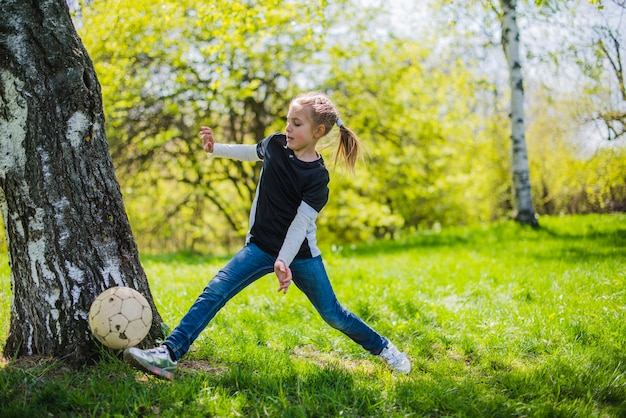
Physical play is an essential component of child development, offering numerous benefits that contribute to a child’s overall well-being and growth. Engaging in active play activities, such as running, jumping, and playing sports, helps improve coordination by requiring children to use various muscle groups in a synchronized manner, essential for their everyday movements. During these formative years, physical play is critical for developing motor skills, which include both fine motor abilities, like handwriting, and gross motor skills, such as balancing and climbing. As children experiment with different physical activities, they not only enhance their motor skills but also build stronger muscles and bones, laying the foundation for lifelong physical health. Moreover, active play encourages cardiovascular fitness, improves flexibility, and helps maintain a healthy weight, reducing the risk of childhood obesity. By integrating physical play into daily routines, caregivers and educators can support healthier and more robust child development.
Children’s physical growth is significantly supported by various types of play, encompassing a range of activities designed to enhance strength and agility. Outdoor activities, such as climbing, running, and cycling, provide children with the chance to develop their gross motor skills in a natural and unstructured environment. These types of play not only improve muscle strength but also enhance balance and coordination. Indoor play also offers valuable opportunities for physical development; activities like dancing, yoga, and indoor obstacle courses can be particularly effective. These activities are adaptable to different spaces and provide year-round options for increasing physical activity levels. Furthermore, participation in sports, such as soccer, swimming, or basketball, is instrumental in promoting cardiovascular health and overall fitness. Sports not only build endurance and physical strength but also teach children essential teamwork and social skills. By engaging in both outdoor and indoor play, children enjoy a holistic approach to physical growth and development.
Engaging in regular play is essential not just for physical growth, but it also plays a critical role in holistic childhood development by enhancing various foundational life skills. One of the key benefits of play is its profound impact on social skills. Through interactive activities, children learn to communicate, cooperate, negotiate roles, and resolve conflicts, laying the groundwork for strong interpersonal relationships. Additionally, play significantly boosts emotional well-being by allowing children to express feelings, cope with emotions, and develop resilience in a safe environment. This ability to process emotions positively contributes to better mental health and reduced anxiety. Moreover, play promotes overall health by decreasing stress levels and providing opportunities for physical exercise, which is crucial for a healthy lifestyle. Ultimately, integrating regular play into children’s routines fosters an environment for comprehensive childhood development, building a foundation not just for immediate growth, but for lifelong success and happiness.