Sponsored article
Fire extinguishers play a critical role in ensuring fire safety across the globe. From the rudimentary methods used by our ancestors to the high-tech devices of today, fire extinguisher technology has evolved significantly. In this article, we’ll delve into the fascinating history of these life-saving tools, explore the latest innovations enhancing their capabilities, and take a look at what the future holds for fire suppression technology. Join us as we uncover how these vital devices have progressed over time.
The history of fire extinguisher development is a fascinating journey that reflects humanity’s relentless pursuit of safety and innovation. The concept of fire suppression can be traced back to ancient times, where early fire suppression tools included simple methods like buckets of water and sand. However, it wasn’t until the late 18th century that the first recognizable fire extinguisher was invented. In 1818, British inventor George William Manby introduced the first portable fire extinguisher, a copper vessel filled with a potassium carbonate solution, which marked a significant milestone in fire safety.
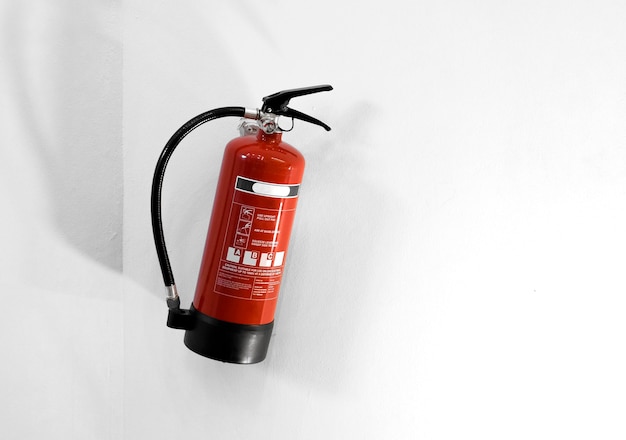
Over time, technological advancements and an increased understanding of fire dynamics led to major developments in extinguisher design and functionality. The 20th century saw the emergence of the iconic red fire extinguisher, a staple of modern fire safety known for its effectiveness and visibility in emergencies. Innovations like carbon dioxide and dry chemical extinguishers have expanded the capabilities of these essential devices, ensuring they can tackle various fire classes with greater efficiency and reliability.
The realm of fire safety has seen remarkable innovations in fire extinguisher design, driven by modern fire extinguisher features that significantly enhance both effectiveness and usability. Recent technology advancements have introduced innovative materials such as lightweight, corrosion-resistant alloys, which make extinguishers easier to handle and more durable over time. These updated designs are not merely cosmetic; they reflect a deeper commitment to crafting tools that can be rapidly and reliably deployed during emergencies. Additionally, the development of new types of extinguishing agents, such as environmentally friendly and non-toxic chemicals, represents a key stride in ensuring safer firefighting practices while minimizing the impact on human health and the environment.
In line with user-centric innovations, modern fire extinguisher features now often include ergonomic handles and intuitive operating mechanisms that allow even untrained individuals to act swiftly and confidently in urgent situations. Sleek, compact designs make it easier to store these lifesaving devices in smaller spaces without compromising accessibility. Some models incorporate advanced sensors and digital monitoring systems that automatically detect potential hazards, alert users, and even initiate self-activating agents, epitomizing how technology advancements are redefining fire safety in the modern age. These improvements collectively underscore the ongoing evolution of fire extinguisher technology, ensuring that these essential devices are more efficient, accessible, and effective than ever before.
The future of fire suppression is poised to undergo a transformative shift, driven by emerging technologies and innovative approaches to fire safety. As we explore future trends, it becomes evident that the integration of smart technologies and digital solutions will play a crucial role. These advancements promise to enhance the efficiency and effectiveness of fire suppression systems, paving the way for intelligent fire extinguishers equipped with real-time monitoring and automated response capabilities. The development of these smart systems is expected to offer faster detection and suppression of fires, minimizing both risk and damage.
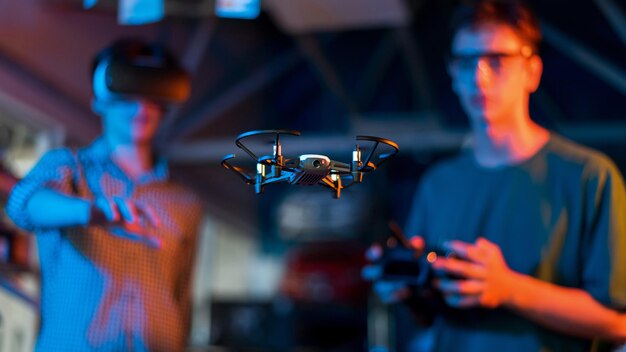
One of the key emerging technologies in this realm involves the application of IoT (Internet of Things) and AI (Artificial Intelligence) to create interconnected systems that communicate and respond dynamically to fire threats. Innovations like drones equipped with fire suppression tools, or fire extinguishers that can self-deploy via advanced sensor technology, are already in the prototype stages. As these technologies evolve, we can anticipate a significant reduction in human intervention during critical fire incidents, marking a new era in fire safety that is automated, reliable, and highly efficient.