Sponsored article
Interprofessional simulation training is revolutionizing the way healthcare education is delivered. By simulating real-world scenarios, it enables future healthcare professionals to work collaboratively, mirror real-life challenges, and improve patient care. This immersive learning approach not only enhances individual competencies but also fosters a team-oriented culture essential for effective healthcare delivery in today’s complex medical environment.
Teamwork and collaboration are the cornerstones of effective healthcare education, playing a critical role in shaping skilled healthcare professionals. In a dynamic and fast-paced medical environment, the ability of healthcare teams to work cohesively can significantly impact patient care outcomes. Through coordinated efforts, healthcare professionals can pool their expertise, promptly address patient needs, and adapt to evolving healthcare challenges. This collaborative approach not only enhances individual capabilities but also fosters a supportive learning environment where team members share knowledge and experience.
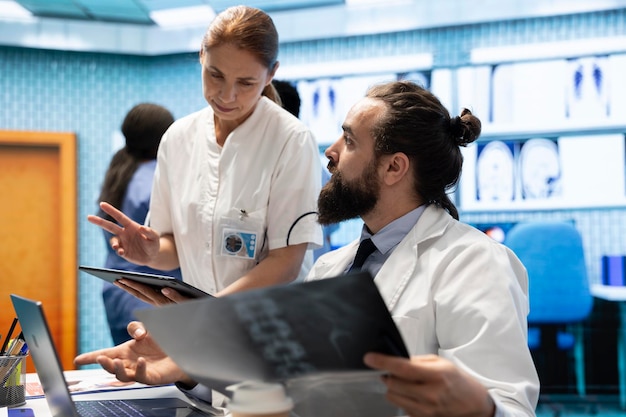
The training benefits of focusing on teamwork within healthcare education are immense. Programs like the SPIRIT-SBE (Simulation Program for Interprofessional Readiness and Immersive Training) offer invaluable opportunities for healthcare professionals to engage in standardized simulation-based training. Such initiatives, as detailed on https://spirit-sbe.eu, are instrumental in developing interprofessional skills that improve communication, efficiency, and patient outcomes. By simulating real-world scenarios, educators can prepare future medical teams to offer more integrated and patient-centered care, ultimately leading to enhanced healthcare delivery.
Key elements of effective simulation training programs in healthcare education involve the strategic integration of multidisciplinary approaches and advanced educational tools, fostering an environment conducive to comprehensive learning. Successful simulation training depends on meticulously crafted program design, where scenarios mimic real-life clinical situations, allowing participants from different healthcare fields to collaborate effectively. The use of high-fidelity mannequins and virtual reality environments adds layers of realism, enabling trainees to develop crucial decision-making and problem-solving skills in a safe, controlled setting without the risk of patient harm.
Moreover, these programs should emphasize debriefing sessions, where participants reflect on their performance and gain insightful feedback from peers and facilitators. Incorporating interprofessional collaboration as a core training element encourages open communication and collective problem-solving, which are vital in real-world healthcare settings. By leveraging diverse educational tools and a robust program design, simulation training programs cultivate an enriching educational experience that prepares healthcare professionals for the dynamics of clinical practice.
Interprofessional simulation training plays a pivotal role in elevating patient care by providing healthcare professionals with realistic practice environments that mirror real-world applications. By engaging in meticulously crafted medical scenarios, teams from various disciplines collaborate and problem-solve effectively, enhancing their communication, decision-making, and leadership skills. This comprehensive approach ensures that when faced with actual clinical situations, healthcare providers can deliver swift and coordinated responses, ultimately leading to significant improvements in healthcare outcomes.
The direct impact of such training extends beyond the simulated environment, bridging the gap between education and practical application. Medical scenarios are designed to reflect the complexities of real-world healthcare settings, enabling participants to experience and manage a wide array of patient conditions and emergencies. As a result, interprofessional simulation training equips practitioners with the confidence and competence necessary to improve patient safety, reduce medical errors, and foster a culture of teamwork and accountability, all of which are crucial for optimizing patient care outcomes.