Sponsored article
In the competitive landscape of food manufacturing, staying ahead with efficient processes is crucial. Advanced packaging technologies are revolutionizing how products are preserved, stored, and delivered to consumers. From enhancing food safety to maximizing shelf life, these innovations not only streamline operations but also align with modern sustainability goals. Dive into a world where packaging is not just a protective layer, but a pivotal element in manufacturing efficiency.
Exploring innovative materials in food packaging is essential in enhancing sustainability and efficiency in food manufacturing. As consumer awareness about environmental impact grows, the food industry increasingly adopts eco-friendly packaging alternatives, which play a crucial role in reducing waste and conserving resources. New materials such as biodegradable plastics made from polylactic acid (PLA), molded pulp made from recycled paper products, and edible packaging composed of seaweed or rice paper are gaining popularity. These materials not only reduce carbon footprints but also contribute to preserving product freshness longer, optimizing transportation and storage processes.
Incorporating these innovative solutions into food packaging provides several benefits, including:
Industry leaders like Rafpol are at the forefront of this shift, offering advanced packaging solutions that integrate these sustainable materials to support a circular economy. By focusing on sustainability and efficiency, companies can achieve improved operational outcomes and contribute to a healthier planet.
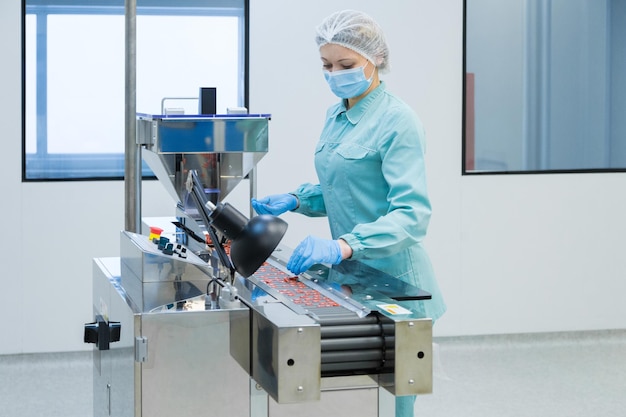
The integration of automation and smart technologies in packaging processes is revolutionizing food manufacturing, bolstering efficiency, reducing human error, and accelerating production lines. With innovations such as robotic arms, machine learning algorithms, and IoT-enabled devices, the industry is witnessing a transformation in how packaging tasks are managed. These advanced solutions allow for seamless synchronization across multiple stages of the production line, ensuring that every step, from sealing to labeling, is executed with precision and speed.
Key benefits of employing automation and smart technologies in packaging processes include:
By embracing these technological advancements, food manufacturers not only enhance their operational efficiency but also achieve greater sustainability by optimizing resource utilization.
Advanced packaging technologies have revolutionized the food manufacturing industry by significantly improving food safety and extending shelf life. Incorporating innovative techniques such as modified atmosphere packaging (MAP), vacuum packaging, and active packaging, these solutions create environments that inhibit bacterial growth and prevent contamination, ensuring that food products remain fresh and safe for consumption. The use of materials like antimicrobial films and oxygen scavengers further enhances these effects, reducing the likelihood of spoilage and prolonging the period during which food remains in optimal condition. Such advancements in packaging not only protect food from external contaminants but also maintain the necessary balance of gases within the packaging to slow down deterioration processes.
The impact on shelf life is profound, as these packaging technologies can significantly delay the onset of spoilage, thereby reducing food waste and increasing profitability for manufacturers. For example, MAP adjusts the oxygen and carbon dioxide levels inside the packaging to levels that slow spoilage while minimally affecting the taste and nutritional quality of the food. Vacuum packaging removes air from the packaging, creating a vacuum-sealed environment that dramatically slows oxidation and microbial growth. Active packaging technologies, which may include the use of materials that actively interact with the packaged food, add another layer of protection and provide intelligent feedback on the condition of the package, enhancing both food safety and quality assurance.