Sponsored article
Transforming your patio or garden into an inviting oasis requires careful selection of key elements, and a garden umbrella is no exception. Offering not only respite from the sun’s rays but also adding aesthetic appeal, the right umbrella can be the centerpiece of your outdoor space. In this article, we’ll guide you through the process of choosing the perfect garden umbrella, considering style, size, and material to complement your outdoor retreat. Dive in to find your ideal shaded sanctuary.
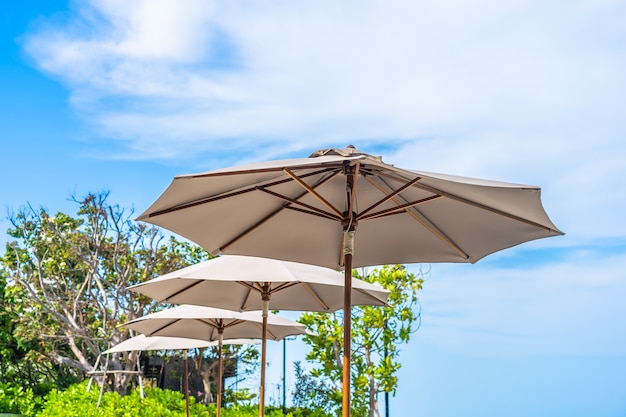
When navigating the diverse world of garden umbrella types, it’s essential to understand the array of options available to create your ideal outdoor environment. Among the popular choices are cantilever umbrellas and market umbrellas, each offering unique benefits for various settings. Cantilever umbrellas, known for their offset design, provide versatility and unobstructed shade by using a side pole that allows the canopy to hover over outdoor furniture or pools without a central pole in the way. Market umbrellas, on the other hand, are celebrated for their classic appearance, featuring a straight pole that’s perfect for anchoring through a table. They excel in providing a traditional aesthetic while being easy to set up and move. For those seeking to enhance their garden with stylish outdoor umbrellas UK, these options offer both practicality and beauty. By understanding the attributes of each type, you’ll be better equipped to select an umbrella that complements your outdoor space and lifestyle.
When selecting the ideal garden umbrella for your outdoor oasis, understanding umbrella materials and their impact on durability is crucial. The frame of a quality garden umbrella is typically crafted from materials such as aluminum, stainless steel, or wood, each offering varying degrees of strength and resilience. Aluminum is favored for its lightweight and rust-resistant properties, making it an excellent choice for weather-resistant umbrellas. At the same time, stainless steel provides superior toughness but requires regular maintenance to prevent corrosion. Wood, such as teak, offers a classic look with natural weather resistance but may not be as robust under extreme conditions. Additionally, the canopy material greatly influences the umbrella’s durability. Synthetic fabrics like polyester or acrylic are common choices because of their UV protection and water-repellent qualities. By examining the construction and materials, you can choose weather-resistant umbrellas that will endure harsh elements and enhance your garden space for years to come.
Choosing the right umbrella size and mastering outdoor umbrella placement are crucial for creating an ideal shade coverage in your outdoor oasis. To begin with, measure the area where you plan to place your garden umbrella, ensuring it will provide sufficient coverage. A good rule of thumb is to select an umbrella with a canopy extending 2-3 feet beyond the table or seating configuration. Consider the following tips for selecting the perfect size:
Proper outdoor umbrella placement is equally important. Position the umbrella to the side of the area that receives the most sun exposure during peak hours. Anchor it securely to ensure stability in windy conditions. Finally, consider using tilting features to adapt the shade coverage as the sun moves, ensuring comfort throughout the day.