Sponsored article
In the ever-evolving landscape of healthcare, education must adapt to prepare professionals for collaborative practice. By incorporating innovative interprofessional training methods, healthcare education can transform how future practitioners learn and work together. This approach emphasizes the importance of teamwork and communication, crucial skills for improving patient care and outcomes. As we explore these transformative methods, we uncover new opportunities for growth and development in the healthcare field.
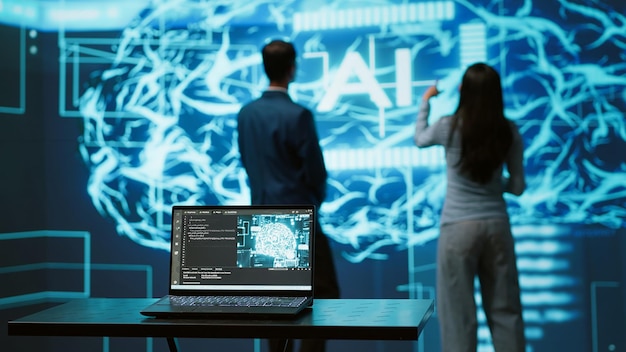
The advent of technology in healthcare education has revolutionized how future healthcare professionals are trained, making interprofessional training more dynamic and effective. By adopting digital tools in medical training, such as e-learning platforms and virtual simulations, educational institutions can provide immersive and interactive learning experiences. These technologies enable learners to engage in realistic clinical scenarios, bridging the gap between theoretical knowledge and practical application. E-learning for healthcare professionals offers flexibility and accessibility, allowing them to hone their skills at their own pace and convenience. Such innovations nurture collaboration and communication among different healthcare disciplines, essential for delivering high-quality patient care.
Despite the clear advantages, integrating technology in interprofessional training comes with challenges. The development and maintenance of a robust medical simulation curriculum require significant investment and expertise. Ensuring the technological infrastructure is up-to-date and that instructors and learners are technologically savvy is crucial for success. Institutions must also address issues of digital accessibility to ensure inclusivity. By overcoming these hurdles, the potential to enhance learning outcomes and foster interdisciplinary collaboration is immense, shaping a more skilled and cohesive healthcare workforce. For more information, visit the medical simulation curriculum.
Simulation in healthcare training plays a pivotal role in enhancing teamwork among healthcare professionals by providing a realistic yet controlled environment for learning. Through scenario-based training, interprofessional teams can engage in hands-on practice that mirrors real-life situations they will encounter in clinical settings. This method of training not only hones individual skills but, crucially, fosters interprofessional collaboration by allowing team members to work together, thereby enhancing communication and problem-solving abilities. By actively participating in these scenarios, professionals can improve their critical-thinking skills, enabling them to make swift, accurate decisions during patient care, leading to better outcomes.
Furthermore, team-based training in simulated environments enables healthcare workers to understand the dynamics of team roles and responsibilities, thereby building trust and camaraderie. Simulation-based learning emphasizes the importance of coordination and cooperation, as healthcare teams must communicate effectively to resolve challenging situations efficiently. This immersive approach ensures that when healthcare professionals encounter similar scenarios with real patients, they are well-prepared to deliver high-quality, coordinated care as a cohesive unit. Thus, simulation in healthcare training is indispensable for cultivating an environment of teamwork that ultimately enhances patient safety and satisfaction.
In the evolving landscape of healthcare education, innovative curriculum designs for interprofessional education are at the forefront of preparing the next generation of healthcare professionals. The interprofessional curriculum fosters a collaborative learning environment, where medical, nursing, and allied health students engage in shared courses, workshops, and cross-disciplinary projects. By implementing these innovative education strategies, institutions aim to bridge the traditional silos of healthcare education, establishing a more cohesive and cooperative learning experience. This integration not only enhances the educational experience but also prepares students for the dynamics and complexities of real-world healthcare teams.
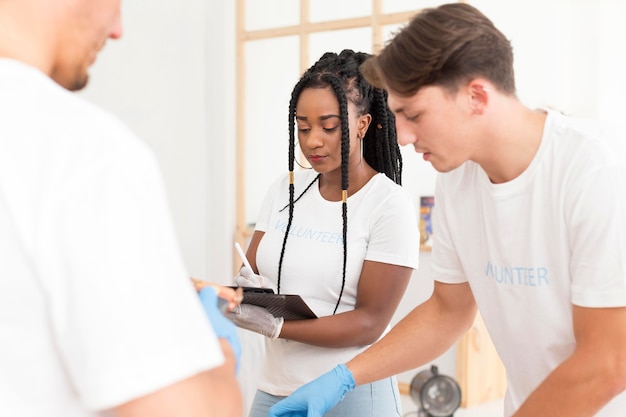
Curriculum development in healthcare is increasingly focusing on creating experiential learning opportunities that encourage teamwork and communication among different healthcare disciplines. Examples include simulation-based workshops that bring together students from diverse fields to solve clinical scenarios, as well as project-based courses that challenge participants to work together on health improvement initiatives. Such interprofessional curriculum elements are key to developing the skills necessary for efficient collaboration in patient-centered care, ensuring that future healthcare providers are well-equipped to meet the challenges of a rapidly changing healthcare environment.